
The Jewelry Industry Is Connected. Its Systems Aren’t.
A piece of jewelry rarely has a simple journey. Before it reaches a client, it may pass through a designer, CAD designer, stone dealer, buyer, manufacturer, production team, inventory manager, salesperson, retailer, and more. Each person contributes something. Each step creates information. And each handoff creates another opportunity for that information to become disconnected.
The people are connected. The process is connected. The product is connected. But the systems supporting the business aren't always connected in the same way.
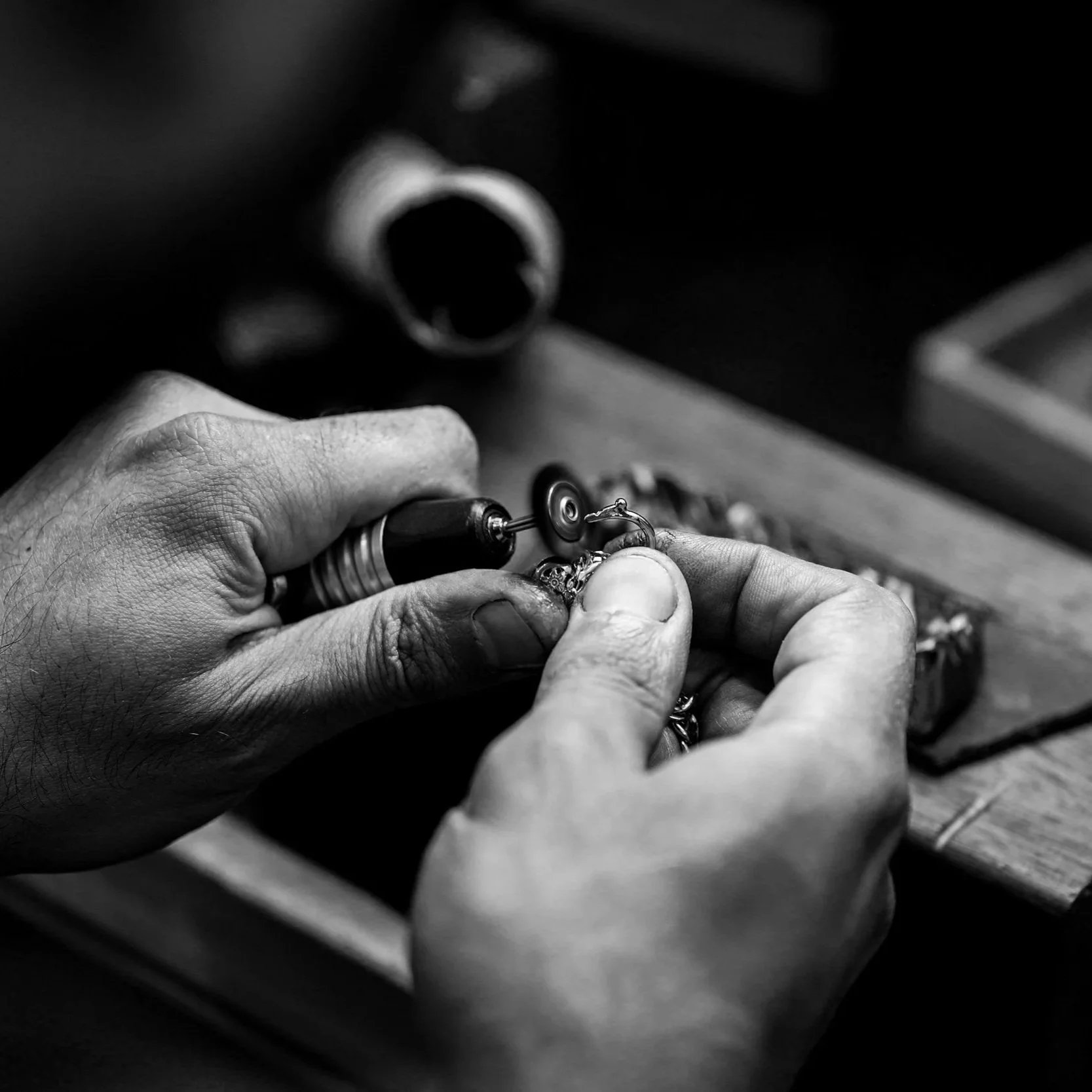
One Piece, Many Connections
Consider what happens when a new piece is developed. A designer creates the concept. A CAD designer translates that idea into a digital model. Materials need to be sourced. A manufacturer needs specifications. Production needs updates. Inventory needs to reflect what exists. Sales needs accurate product information. Leadership needs visibility into what is happening across the business.
The jewelry itself moves through a connected journey. The information often doesn't.
Instead, it may live in email threads, spreadsheets, PDFs, text messages, shared drives or individual software systems. None of these tools are inherently the problem. The problem is what happens when they don't communicate with one another. Information gets duplicated. Updates don't reach everyone who needs them. Different departments may work from different versions of the same information. People spend time searching for answers instead of acting on them.
The Cost of Disconnection
Disconnected systems create friction in ways that can be difficult to see on a balance sheet. A few extra minutes spent searching for a file may not seem significant. A manual inventory update may seem manageable. An email sent to confirm information may feel like a normal part of doing business. But multiply those moments across dozens of people, hundreds of products and thousands of transactions, and the impact becomes much more significant.
As a jewelry business grows, those small inefficiencies can become structural problems. More products mean more information. More employees mean more handoffs. More locations mean more inventory to track. More suppliers and partners mean more communication. Growth doesn't necessarily create the problem. Growth exposes it.

Jewelry Businesses Have Become More Complex
The modern jewelry business is sophisticated. Many companies operate across multiple channels, locations and markets. They work with increasingly complex product catalogs and supply chains. They collaborate with partners around the world while managing increasingly large amounts of data.
The industry has evolved. Its technology needs to evolve with it.
This doesn't necessarily mean that every business needs more software. In many cases, it means businesses need better-connected software. The goal isn't to add another place for information to live. It's to create fewer places for information to get lost.
What Would a Connected Jewelry Business Look Like?
Imagine a product's information moving with it throughout its lifecycle. A designer creates a piece and that design becomes the foundation for development and production. The relevant information is available to the people responsible for the next stage. Production updates are reflected in the business. Inventory has greater visibility. Sales has access to accurate product information. Leadership can see the bigger picture.
No one needs to wonder which spreadsheet is current. No one needs to search through an old email thread to understand what happened. The technology isn't creating another layer of work. It's connecting the work that's already happening.

This is the opportunity we see at LinkStudio. Not simply better inventory management, production management or another business system, but a more connected way of thinking about the jewelry enterprise. People, products, processes and data all play a role in how a jewelry business operates. When those elements work together, businesses can operate with greater visibility and less friction.
The Industry Is Ready for What's Next
The jewelry industry doesn't need to become less personal to become more technological. It doesn't need to sacrifice craftsmanship for efficiency, and it doesn't need to replace relationships with automation. It needs infrastructure that supports the way the industry already works, and the way it wants to work in the future.
That's what we've built with LinkStudio.
Because the jewelry industry has never been a collection of isolated businesses and processes. It's an ecosystem.
It's time for the technology to reflect that.
